Spotting the first signs
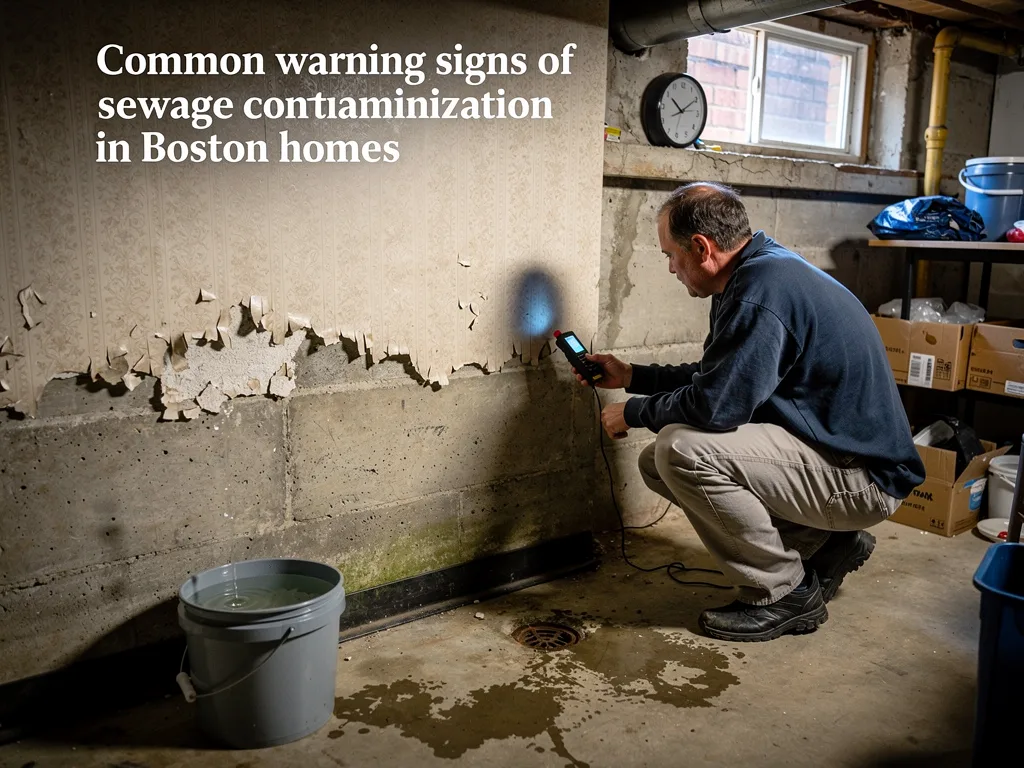
In Boston, sewage problems don’t always scream for attention. A sour or foul odor in basements or lower levels is often the first clue. You might notice a lingering smell that won’t go away, even with ventilation. Damp spots on walls or concrete floors can also point to a hidden issue. If you see slow drains, gurgling sounds, or backups in sinks and toilets, those are red flags that deserve a closer look.
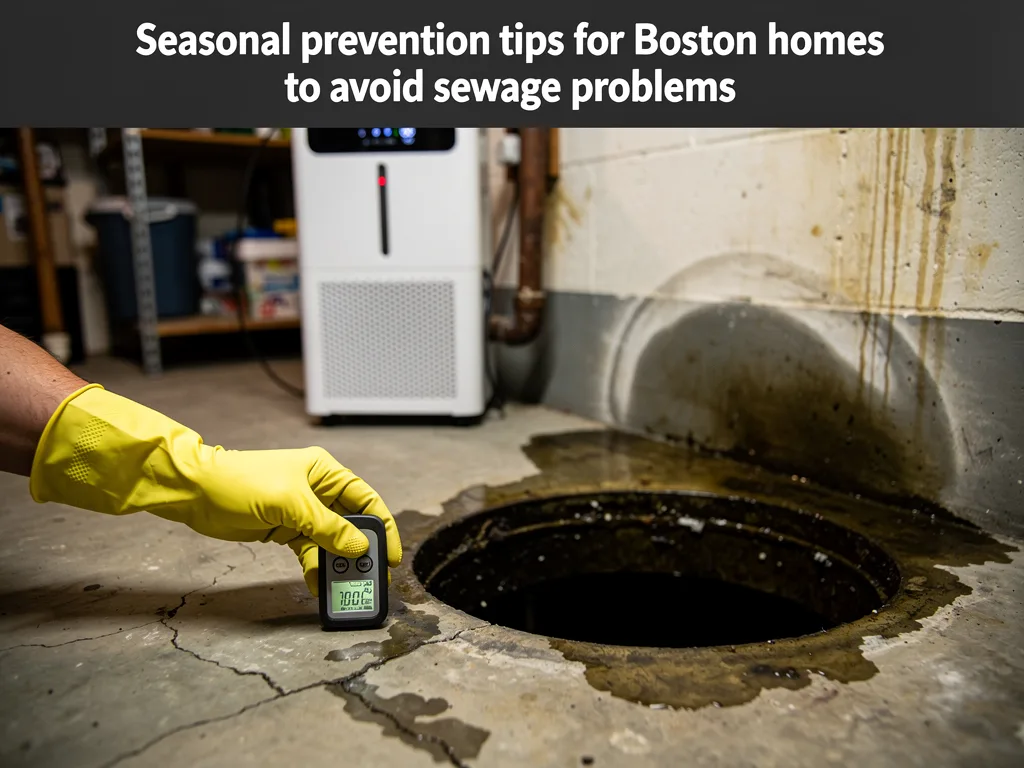
As restoration specialists, we’ve found that odors aren’t just about smell. They can mask moisture that fuels mold growth or creates unhealthy air. Look for staining, discoloration, or a dark ring around the edge of a toilet or sump area. Stains can indicate a leak that has allowed wastewater to wick into porous surfaces. In Boston’s climate, humidity can intensify these signs, making early detection even more important.
What these signs mean for your home
These indicators often point to a broader problem inside the system that moves wastewater away from living spaces. A compromised line or overwhelmed drainage can push sewage into basements, crawl spaces, or laundry rooms. When that happens, the risk isn’t just an unpleasant smell. Wastewater carries bacteria and other contaminants that can impact indoor air quality and surfaces.
Don’t wait on signs that don’t fade. Even if you’re not sure, it’s safer to call our restoration specialists to assess these issues. We’ll identify the source, contain the area, and prevent the problem from spreading to living spaces in your Boston home.
Immediate steps you can take
If you notice a strong odor or damp spots, start by turning off fans and avoiding direct contact with any standing water. Open exterior windows to introduce fresh air, but avoid spreading contaminants into other rooms. Do not use toilets or sinks that could push wastewater into other areas. Contact Boston Sewage Cleanup Specialists as soon as you can for a professional assessment. We’ll explain what we find in plain terms and outline the next steps.
We’ve learned that quick, calm action helps limit damage. A rapid evaluation allows us to scope the cleanup, set up containment, and begin removing contaminants safely. In a city like Boston, where homes often have tight layouts, coordinating a precise response is essential to protect both structure and occupants.
What to expect from a professional assessment
Our restoration specialists will perform a thorough inspection of affected spaces, checking for moisture, odors, and signs of contamination. We’ll determine what needs cleaning, what requires removal, and how to restore proper airflow and sanitation. After the assessment, you’ll receive a straightforward plan with options suitable for a Boston home and your budget.